Rotator Cuff Surgery: The Practical Preparation Checklist
What to have ready, what to think about, and how to make those first few weeks at home a little easier.
7 min read · re: editorial · Published
Preparing for rotator cuff surgery involves more than arranging a ride to the surgery center.
There are the obvious things: prescriptions, appointments, a sling, and follow-up instructions. Then there are the everyday details that are easy to overlook until you're home and suddenly trying to make breakfast, get dressed, or find a comfortable place to sleep with one arm.
A little preparation can make those first days easier to manage.
Here's where to start.
1. Find your recovery spot
You may spend more time resting than usual during the first few days after surgery, so think about where you'll be most comfortable.
Choose a chair or resting area that's easy to get in and out of. Keep a small table nearby for water, medications, your phone, and anything else you use regularly.
Consider having:
- Extra pillows for positioning and support
- A long phone-charging cable
- A water bottle that's easy to open
- A place to keep your medications and written instructions
- Entertainment that doesn't require much effort
You don't necessarily need a recliner. Some patients find one helpful, but a comfortable chair with appropriate support may work just as well.
Your surgical team should guide you on safe arm positioning and sling use.
2. Think about sleep before your first night home
Sleeping after shoulder surgery can be challenging, particularly when you're wearing a sling or trying to avoid pressure on the operative shoulder.
Some patients find it more comfortable to rest in a semi-reclined position, supported by pillows. Others prefer an adjustable bed or recliner.
The right position depends on your procedure and your surgeon's instructions.
Before surgery, ask:
- Do I need to sleep in my sling?
- Are there positions I should avoid?
- Can I sleep in my regular bed?
- How should I support my arm and shoulder?
Try setting up your sleeping arrangement in advance. It's much easier to experiment with pillows when you're not recovering from surgery.
3. Make getting dressed easier
One of the most common surprises after shoulder surgery is how many everyday tasks require both arms.
Buttons, tight sleeves, overhead shirts, and even pulling on a jacket can become frustrating.
Have a few easy options ready:
- Loose button-front or zip-front shirts
- Pants with elastic waistbands
- Slip-on shoes
- Clothing that fits comfortably around your sling
- Personal-care items you can manage with your unaffected arm
Your care team can demonstrate safe dressing techniques and explain when you're allowed to move the operative arm.
4. Prepare your kitchen and meals
Cooking, opening containers, cutting food, and carrying dishes may be more difficult when one arm is immobilized.
Before surgery, move frequently used items to an easy-to-reach location. Prepare a few meals, stock your refrigerator, and think about which foods will be simple to manage.
Good options include soups, prepared proteins, yogurt, eggs, smoothies, and meals that can be reheated without much effort.
Don't overlook nutrition
Your body needs energy and nutrients to maintain muscle and support tissue repair after surgery. Protein is especially relevant when normal activity is temporarily reduced.
Try to establish consistent eating habits before your procedure rather than waiting until you're home and uncomfortable.
If meal preparation or maintaining adequate intake may be difficult, discuss nutritional support with your surgical team.
Optional resource: Thrive Protocol

Thrive Protocol offers a structured perioperative nutrition program for patients who prefer a planned routine before and after surgery.
Explore Thrive Protocol and use code RE10 for the public re: discount.
This is an optional commercial resource, not a requirement for recovery.
5. Plan for pain and swelling management
Some discomfort and swelling are expected after rotator cuff surgery, although the experience varies by procedure and patient.
Your surgical team will provide instructions for medications, cold therapy, activity restrictions, and when to call with concerns.
Ask about your pain-management plan before surgery so you know what to expect when you get home.
What about cold therapy?
Cold therapy is commonly used for postoperative comfort. Options range from traditional ice packs to devices that circulate cold water, sometimes combined with compression.
If you're considering a cold-compression system, ask your surgical team whether it's appropriate for your procedure and how it should be used safely.
Optional resource: Game Ready
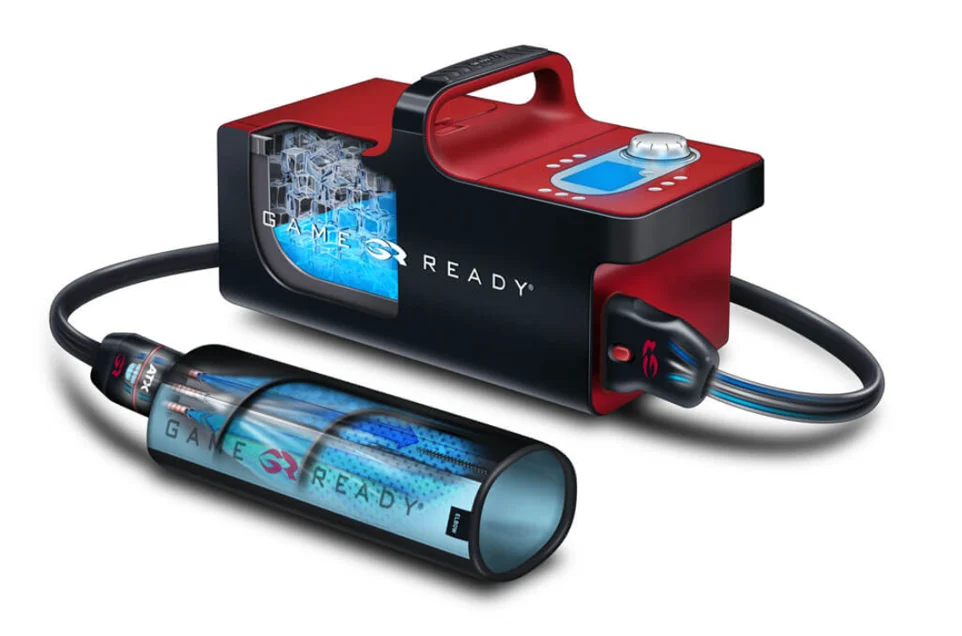
Game Ready is a cold-therapy and active-compression system available through rental programs. Patients interested in this option can learn more about the system and submit a rental inquiry before surgery.
Explore Game Ready rental options
https://info.wrs.us/gr#lead-form
Cold therapy should follow your surgical team's instructions. Devices are not appropriate for every patient, and improper use can cause skin or tissue injury.
6. Arrange help for the little things
You may need assistance with tasks that normally take almost no thought.
Consider who can help with:
- Driving and transportation
- Grocery shopping
- Preparing meals
- Laundry and household tasks
- Caring for children or pets
- Getting to appointments
Don't assume you'll be able to drive simply because you're feeling better. Driving restrictions depend on your procedure, sling use, medications, and your surgeon's clearance.
If you live alone, make a plan for the first few days before your surgery date.
7. Know your restrictions
Not every rotator cuff repair is the same.
The size of the tear, the repair performed, associated procedures, and your surgeon's protocol all influence recovery instructions.
Some patients need prolonged protection of the repair. Others may have different movement or therapy timelines.
Before leaving the surgery center, make sure you understand:
- When and how to wear your sling
- Whether you're allowed to move your shoulder, elbow, wrist, and hand
- How to shower and care for your incision
- Which movements or activities are restricted
- When physical therapy begins
- Which symptoms require a call to your surgical team
Keep these instructions somewhere easy to find.
Your before-surgery checklist
- Set up a comfortable resting area
- Prepare a safe sleeping arrangement
- Have loose, easy-to-wear clothing available
- Stock easy meals and protein-rich foods
- Review your nutrition plan
- Discuss pain management and cold therapy
- Arrange transportation and help at home
- Review sling use and activity restrictions
- Confirm your follow-up appointments
- Save your surgical team's contact information
Everything else matters, too
Your surgeon is focused on repairing your shoulder. Your job is to make the everyday parts of recovery as manageable as possible.
That doesn't require buying everything marketed for shoulder surgery. It means thinking ahead, asking good questions, and making a few practical changes before you need them.
Because once you're home, the little things can make a meaningful difference.
References and further reading
- American Academy of Orthopaedic Surgeons (AAOS). Rotator Cuff Tears: Surgical Treatment Options. OrthoInfo.
- AAOS. Shoulder Surgery Exercise Guide. OrthoInfo.
- American College of Surgeons. How Nutrition Can Support Your Surgery.
Educational information only. Individual postoperative restrictions and instructions from your surgical team always take priority.
re: may receive compensation from purchases or rentals through partner resources.

